The Story behind our Chandi Bar

It took a while after starting Chandi Chocolates to get to the point of being able to work with cacao closer to the source. Once I discovered cacao butter, I had to learn more: why are there so many different cacao products? Paste, butter, powder, nibs… how would I use them?
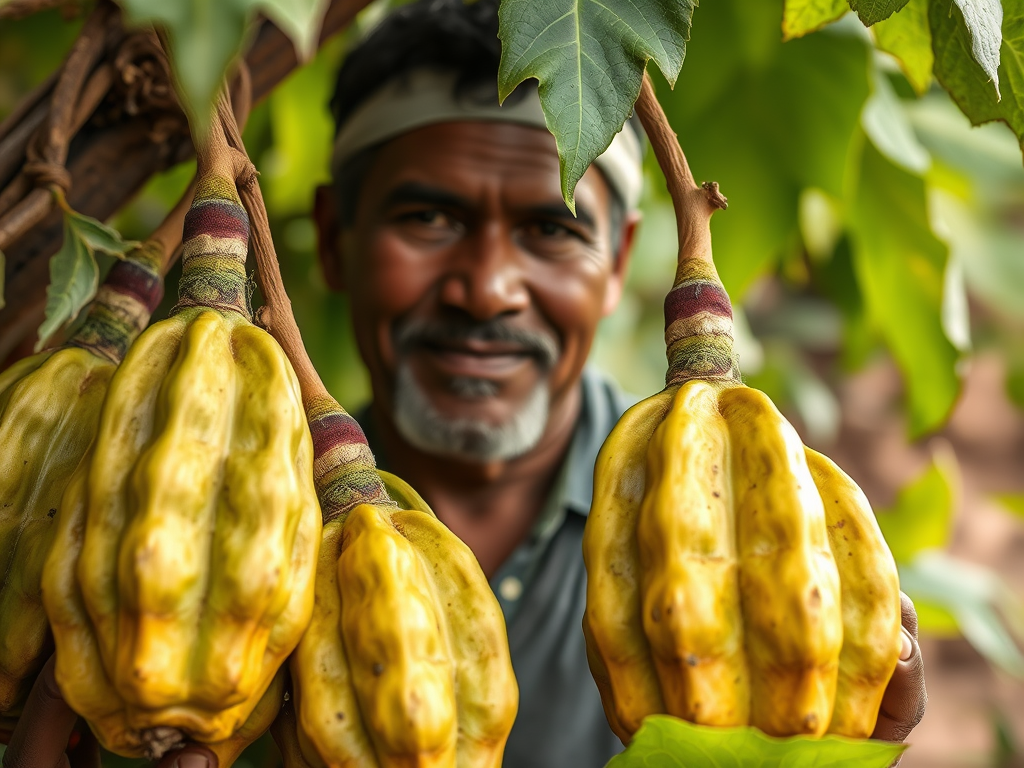
I learned that the cacao plant produces large seed pods. The seeds are scooped out, fermented, dried and crushed to make the product known as “nibs”. Reeling with this newly acquired information, aghast at how far removed “chocolate” is from the plant, I decided to at least make the attempt to produce a bar that was closer to the source.

First, starting with paste and the Kali bar, it occurred to me that the reason there were so many different cacao products was to better manipulate the fats, solids and flavors to produce unique chocolates. At that point, I developed a new appreciation for chocolate and starting tasting a variety of “boutique” chocolates. And then I learned there was a machine that was small enough to use at home in which I could process the nibs into chocolate myself: I had to try it.

Success was not immediate: the commercial kitchen that I had started using as the sale of Guru bars increased was not far from my home, but far enough that going back and forth and even finding time to run the refiner was a challenge. The nibs had to be warmed up and introduced slowly into the little machine – which maxed out at 7-1/2 pounds and not the advertised 8. I learned the hard way – nibs spinning out splattering the shelves, walls, counter – that you cannot simply pour the whole into the machine and walk away.
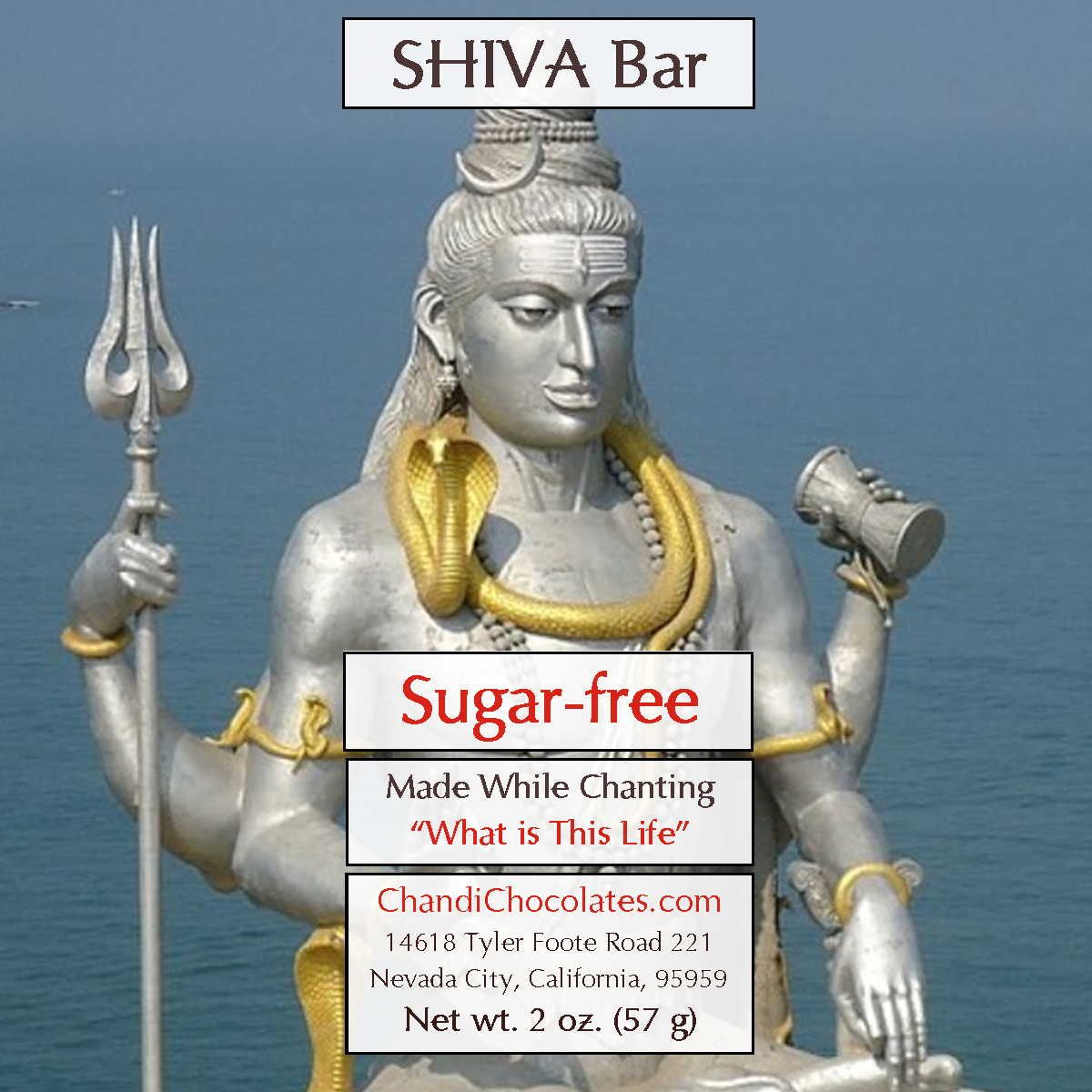
My first Chandi bar was made with cane sugar. A perhaps little known fact is that sugar doesn’t dissolve in chocolate. Instead, the refiner breaks down both substances until the particles of sugar and cacao are so fine that the tongue cannot distinguish them as separate. I followed quickly with a Shiva bar which substituted erythritol before erythritol got a bad name and I discontinued the bar.

Once the refiner portion of the machine – the knob tightened to its maxium – has done its thing for 6 to 8 hours, the conching process can begin. This simply involves loosening the knob and allowing the chocolate (for it is chocolate at this point) to develop its unique flavor in the spinning drum. Tasting every hour is recommended.
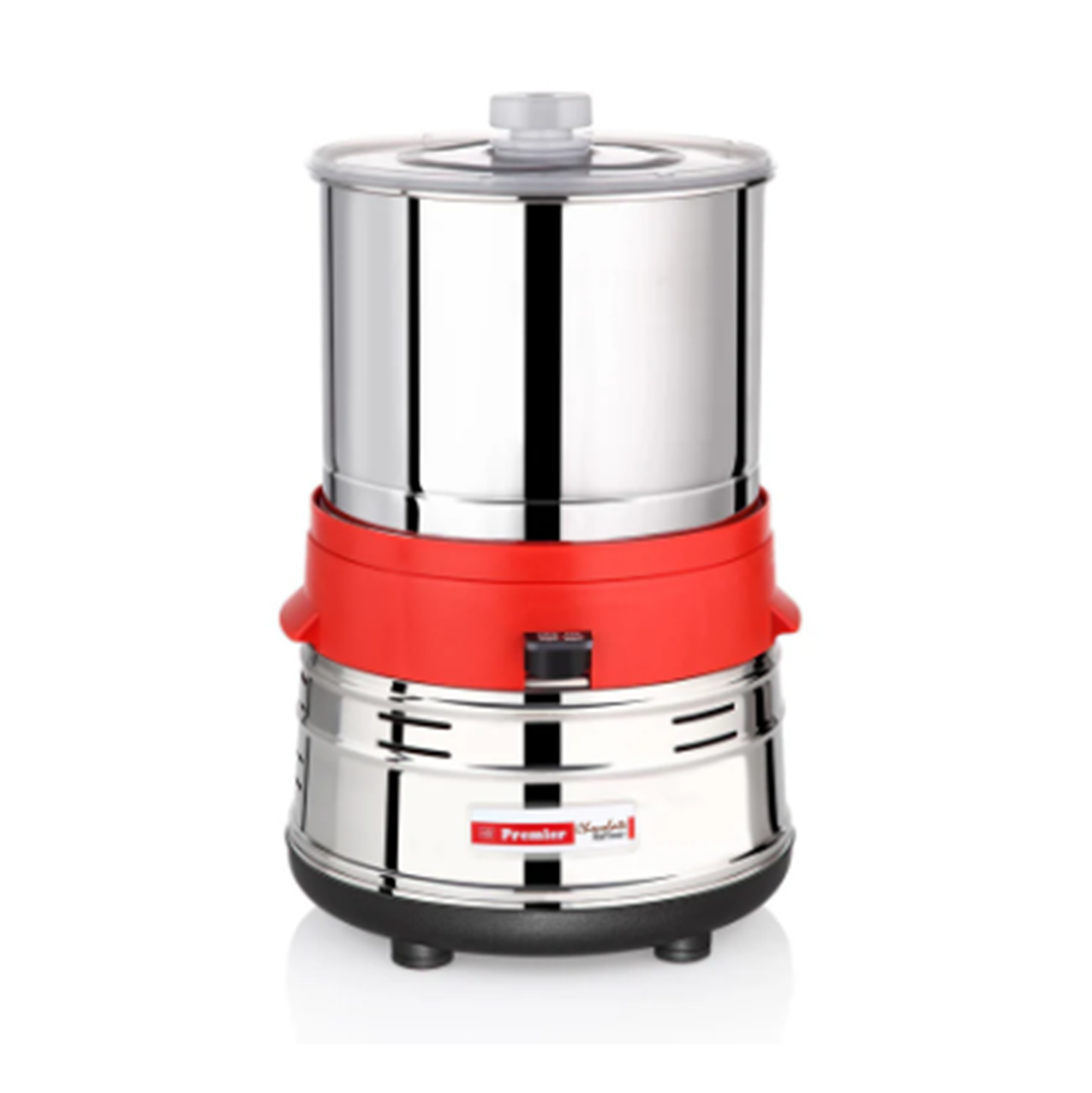
Diamond Counter Top Melanger

I would lay awake at night doing the math: should I start at 11pm and get up at 5am so I could start tasting? Or maybe start at 6am, which meant getting there at 5am to warm and load the machine, then get out of work at lunchtime to start tasting? And then how long should it run?
A couple of batches into trying to fit the refining/conching process into my full-time work schedule, I had started at “the wrong” time and had to pour the unfinished chocolate into molds and melt it down again the next day to resume the process.

Now I wish I had noted exactly “when and for how long” because the flavor of that batch was something like a miracle: How on earth could something bitter, sometimes chalky, sometimes sticky could become silky smooth with a subtle flavor of berries?

<<<<< to be continued >>>>>
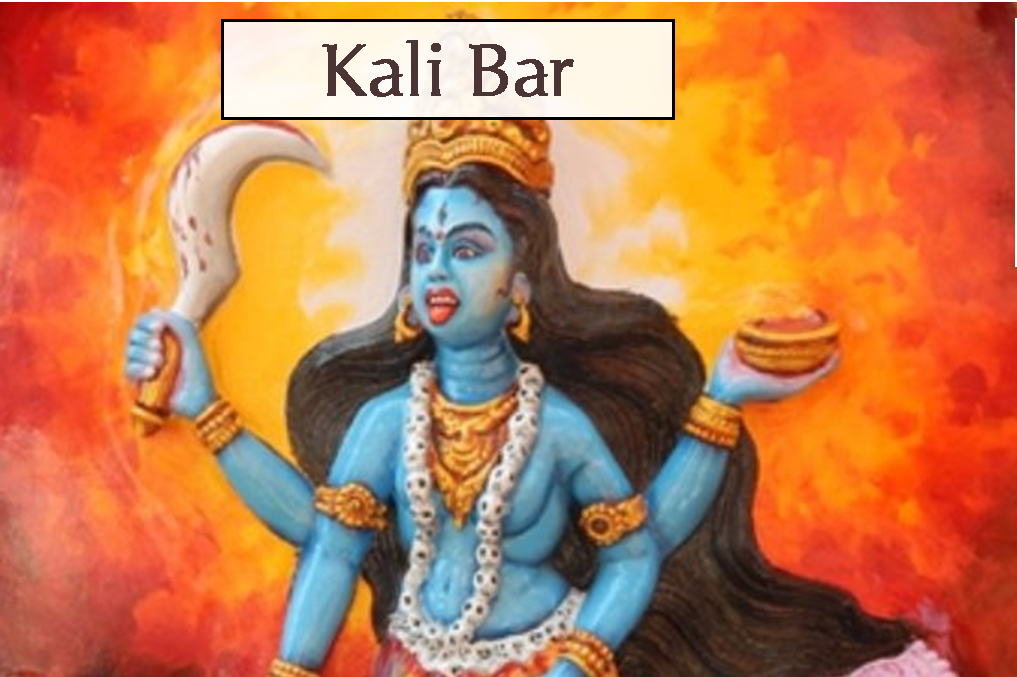
The Story behind our Kali Bar

Our 78% dark chocolate bar was a mistake at first. When I started making chocolates, I had started with Honey Mama’s list of ingredients which included coconut oil. After some experimenting because I didn’t have the recipe, I got a satisfactory bar in two flavors and began adding more flavors as requests came in. It didn’t take long however for my body to call it quits on the coconut oil. It wasn’t like I was overdoing eating chocolate, but my intake was regular enough that I started feeling I should move to pure cacao instead of diluting with coconut oil.

I was already using cacao powder and an Amazon search revealed other cacao products: cacao butter and cacao paste. And around this time I also started getting serious about researching how to make chocolate. I learned about the bean to product process by watching countless You-Tube videos. And came across the science behind “tempering” chocolate, which at first caused me much grief as I was working with honey, not cane sugar, but that is another story.

My first experiment with cacao paste resulted in a stick-to-your-mouth bar., almost fudge. I was going to throw it away but my wife tasted it and pronounced it a winner. Really?!! It was so dark, almost bitter, with a chalky aftertaste, and no other flavoring, primarily because I was just experimenting. But she convinced me that people (including herself) enjoyed the health benefits of dark chocolate, appreciated pure cacao without flavorings, and liked that it was “daaaaark”. Still, I had to at least like it myself, so I add a bit of cacao butter to smooth out the mouth, and, because it was so different from my other bars, I gave it a new name.

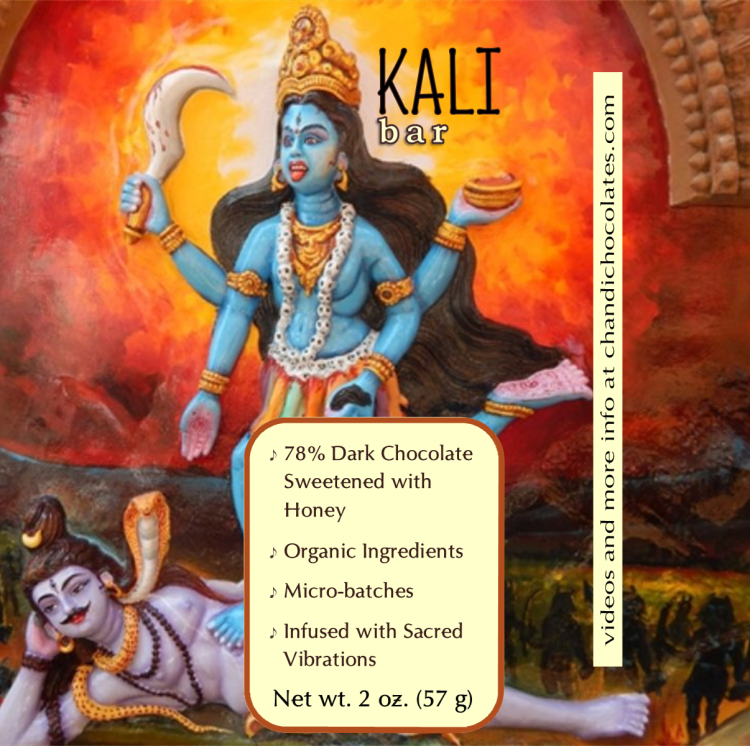
Kali is the aspect of divine mother that has gone too far in her zeal to rid the world of demons (delusion). In her frenzied dance, she steps on her husband Shiva. Realizing her mistake, in Hindu tradition she sticks out her tongue. I love this image of Shiva prostrate, looking nonchalant with his head resting on one hand. The Lord of the Universe is unaffected by Kali’s vehemence.

Kali is also called “the dark Mother”. This symbolism and the quality of having gone “too far” made it the perfect name for this 78% bar.

The Story Behind Our Peppermint Chocolate

Peppermint and Orange were the first two flavors we started with back in 2020. Back then, the chocolates were made with coconut oil and cacao powder. We had moved to Northern California the year before, and the little grocery store down the road sold Honey Mama’s, refrigerated, in different flavors. I was hooked. When covid came and I was figuring out what to do with my spare time, I looked at the ingredients and thought ‘I could make these’.

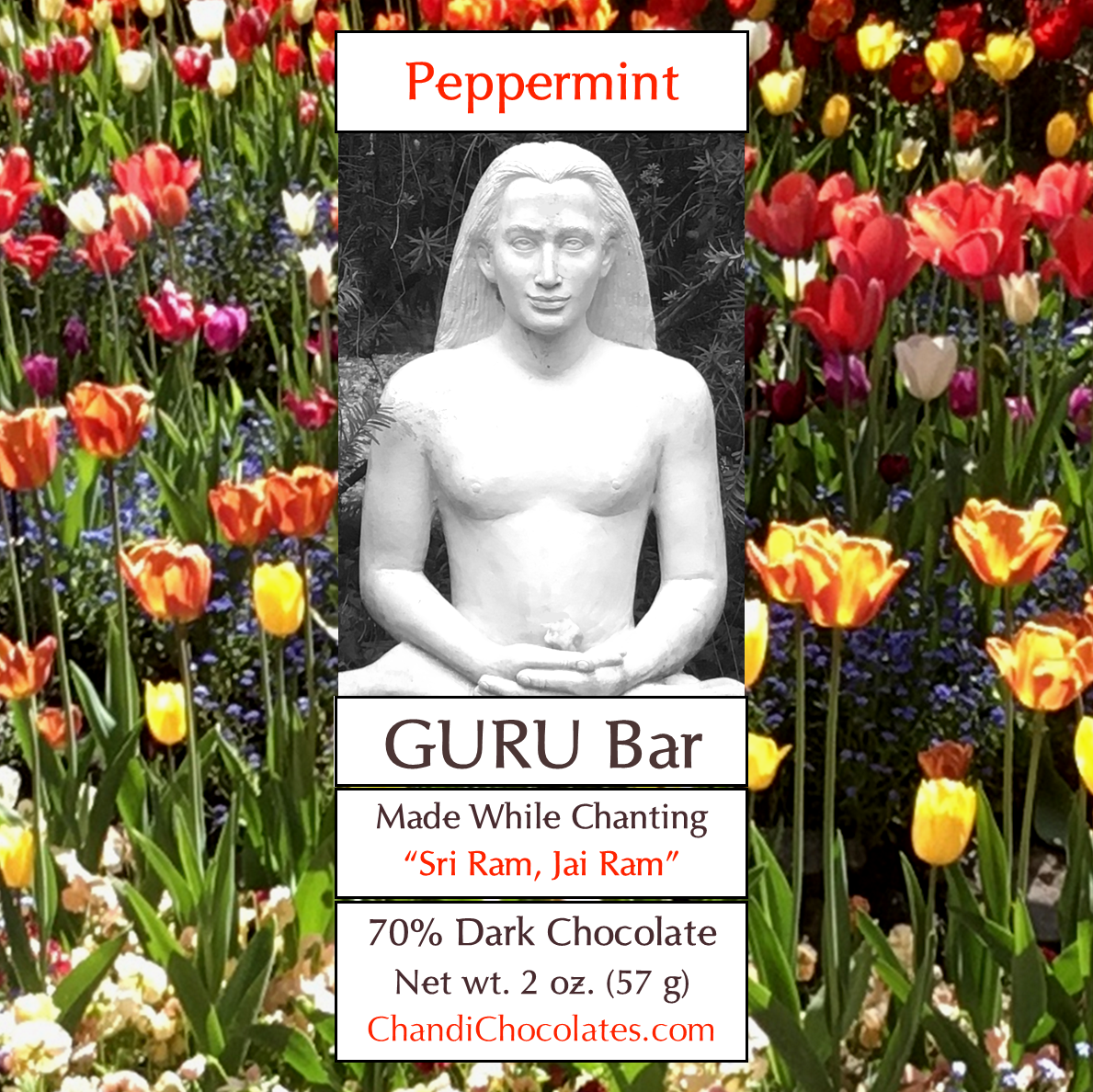
Chocolate wrapper featuring Ananda Tulips and Babaji Krishna

The tulips in the background are from the Crystal Hermitage gardens in April. “Springtime at Ananda”. No real connection to peppermint except the red and white flowers remind me of peppermint candies, plus I wanted something that had the Ananda vibration. The original guru on the Peppermint wrapper was of Paramhansa Yogananda, but I’ve recently changed it to Babaji Krishna.

The photo of Babaji is taken at the Meditation Retreat just down the road. They have amazing gardens, plural because every nook and cranny seems to have its own distinct feel. The Babaji pictured here overlooks a small pond with Koi fish and reeds that used to be where the kitchen for the retreat once stood.

I don’t put much if any thought into which chant goes with which flavor. Peppermint is pretty standard as flavors go and is bright and awake but also soothing. Sri Ram, Jai Ram just seemed to fit, and I never get tired of chanting it when I make these peppermint chocolates.